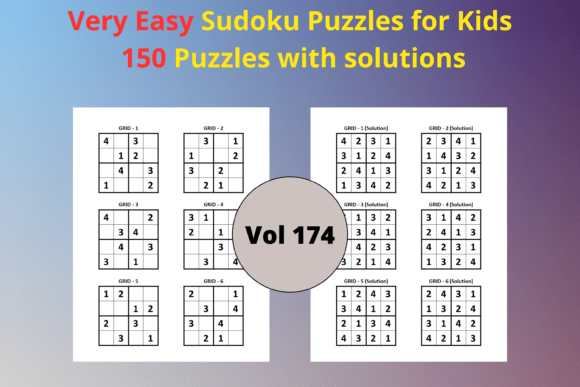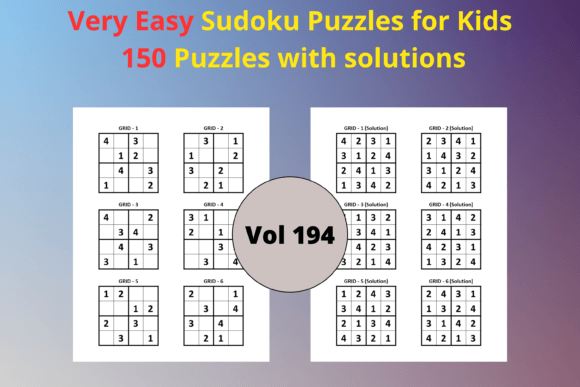
Very Easy Sudoku for Kids 194: A Simple Puzzle Pack for Little Learners
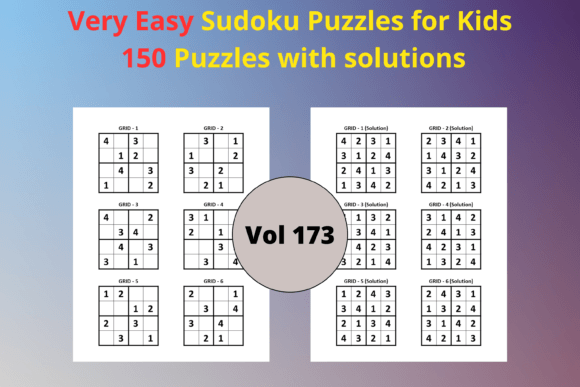
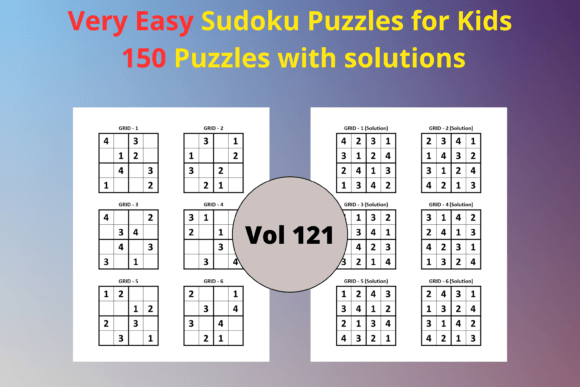
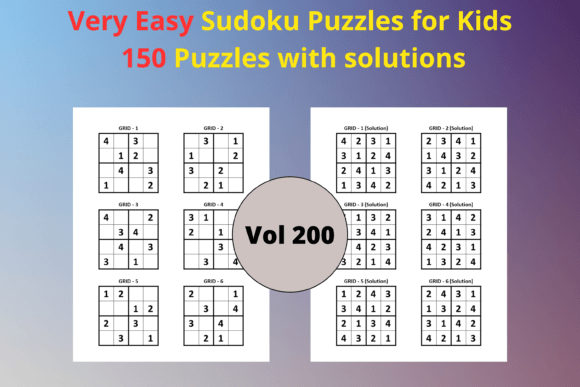
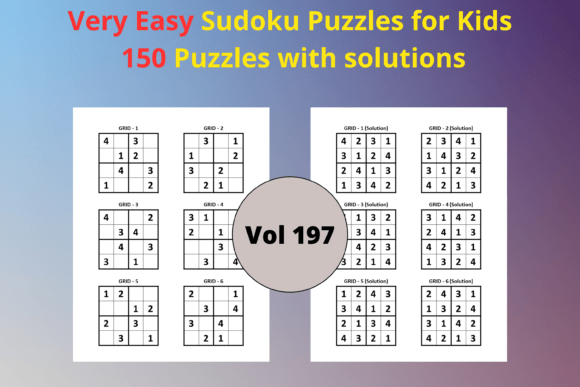
When a child first encounters a Sudoku grid, the classic 9×9 version can feel like a wall of numbers. A 4×4 puzzle changes everything. The Very Easy Sudoku for Kids 194 collection leans into that beginner-friendly territory, offering 150 different very easy puzzles built with just four numbers and small grids. It is not a teaching method or a curriculum—it is a ready-to-use interior pack that saves time for parents, teachers, therapists, and low-content publishers who need quality, no-prep activity material for children aged roughly 4 to 7.
Why a 4×4 Sudoku Pack Matters for Young Minds
Before jumping into scenarios, it helps to understand what makes a 4×4 grid different. Each puzzle uses numbers 1 through 4, with two 2×2 blocks per row and column. Solving them requires the same logic as standard Sudoku—each number appears exactly once in every row, column, and block—but the smaller scale reduces visual overwhelm. Kids learn pattern recognition, scanning, and early deductive reasoning without needing to write or recognize digits beyond four. That sweet spot is why a pack like Very Easy Sudoku for Kids 194 gets so much traction among adults who want to nurture thinking skills gently.
1. The Parent on a Mission to Quiet the Backseat
Road trips, restaurant waits, and older sibling’s soccer practice all have one thing in common: a restless preschooler. A digital file of 150 puzzles tucked into a tablet folder or printed as a small booklet becomes a repeatable peacekeeper. Because the puzzles are very easy, children rarely hit a wall of frustration that leads to “I can’t do it.” Instead, they build a sense of mastery. Many parents keep five or ten sheets in a plastic sleeve with a dry-erase marker, turning the same puzzles into reusable morning menu activities. The Very Easy Sudoku for Kids 194 pack gives them a deep enough well of fresh puzzles that a child is not doing the same three grids on repeat.
2. The Homeschooler Looking for Self-Directed Brain Warm-Ups
Homeschooling parents often need quiet, independent tasks that do not require a screen or constant supervision. A 4×4 Sudoku fits neatly into a morning basket or a logic corner. One common rhythm is to place one puzzle a day next to a breakfast plate. The child completes it, checks the solution on the back side or in a separate answer section, and starts the day with a tiny win. Since the pack includes 150 puzzles plus 150 solutions, the resource easily covers an entire semester of daily practice. The editable PPTX format means families can add the child’s name, a date line, or even simple instructions before printing.
3. The Teacher Building a Portable Activity Bank
Elementary and preschool teachers, as well as substitute teachers, often carry a folder of “what if” activities. Indoor recess, early finishers, or a last-minute schedule gap can derail a classroom quickly. A batch of very easy Sudoku puzzles acts like a reset button. Teachers print a stack once and store them in a hanging file by difficulty. The 8.5×11 inch size matches standard classroom paper, so it drops into photocopy routines without reformatting. Some educators even cut the sheets in half to create mini task cards for center rotations. Because the puzzles are so accessible, they also become a tool for teaching children how to follow instructions independently—an overlooked skill that pays dividends all year.
4. The Low-Content Publisher Testing the KDP Waters
KDP interiors for kids’ activity books are a popular entry point for first-time self-publishers. The logic is simple: find a high-quality, ready-to-upload interior, pair it with an eye-catching cover, and publish. The Very Easy Sudoku for Kids 194 resource cuts down the learning curve dramatically. It arrives as a PDF that is sized and formatted for KDP, meaning trim size, margins, and bleed considerations are already handled—or easily adjusted in the included PPTX file. A seller does not need to design grids from scratch, worry about puzzle symmetry, or manually create solution pages. The 150-puzzle count is generous enough to list the book as “over 150 puzzles” on the cover, which feels substantial to buyers. And because the level is clearly “very easy,” it targets a specific parental search: sudoku for 4-year-olds, kindergarten activity book, or first sudoku book.
5. The Occupational Therapist or Learning Specialist
Professionals who work on executive function, attention, and visual scanning often need materials that are highly structured but not intimidating. 4×4 Sudoku fits that brief. A therapist might use the puzzles as a warm-up before harder cognitive tasks or as a reward after a challenging session. The clear, simple layout prevents distraction. The fact that the pack is editable means clinicians can enlarge grids for children with fine motor or visual difficulties, or even swap numbers for simple symbols if the child is not yet comfortable with digits. The instant download and print-ready format suit a busy clinic where prep time is measured in minutes.
How Different Users Extract Value from the Same File
What makes a resource like Very Easy Sudoku for Kids 194 versatile is not just the puzzles themselves, but how different people repurpose the same asset.
- The new KDP seller. They drag the PDF onto the KDP dashboard, test the print preview, and launch within an hour. The PPTX option lets them insert copyright pages, a cute “This book belongs to” page, or a few coloring breaks between puzzle sections to increase perceived value.
- The experienced teacher. They import the PPTX into Google Slides, isolate four puzzles, and project them on the whiteboard for whole-class morning work. The editable format makes digital pivoting seamless.
- The grandparent assembling a vacation book. They print the puzzles at 90% scale on colored paper, mix in some mazes and dot-to-dots from other sources, and spiral-bind a custom travel book for a grandchild. The 150-puzzle count gives them plenty of material to pick and choose.
- The daycare coordinator. They laminate 20 sheets at a time and rotate them weekly across activity stations. Because the puzzles are very easy, staff do not need to explain rules repeatedly—most children figure out the pattern after one demonstration.
What the Pack Actually Includes and Why It Matters
It is easy to gloss over details until a mismatch causes frustration. This collection is built around 150 unique 4×4 Sudoku puzzles and their matching solutions, all at a very easy difficulty level. The main deliverable is a print-ready PDF sized at 8.5 x 11 inches, which aligns with standard US letter paper and the most common KDP trim sizes. The inclusion of an editable PPTX file is not a minor bonus—it is the difference between a rigid product and a flexible tool. That editable format means you can adjust puzzle placement for a 6×9 inch book, change fonts, insert breaks, or even add a progress chart. For anyone who has ever struggled to retrofit a fixed PDF to a different layout, this saves hours.
Solutions are formatted separately, not crowded behind each puzzle, so you can choose to put them at the back of a book or offer them as a tear-out section. The grid size leaves plenty of white space for small fingers to write numbers without bumping into borders—a design choice that sounds tiny but makes a real difference when working with children who are still developing pencil control.
Key Considerations Before Using the Puzzles
No resource fits every situation perfectly. A few checks help avoid disappointment.
Age and readiness. The puzzles are labeled “very easy,” which assumes a child can count to four, recognize the digits 1–4, and understand the concept of “one of each.” For some three-year-olds, that works beautifully. For others, it clicks closer to five or six. Observing a child’s comfort with simple pattern games before handing over a stack of Sudoku sheets helps set the right expectations.
Print settings. The 8.5×11 size is perfect for home printers, but if you plan to publish on KDP, double-check your chosen trim size. Use the PPTX file to resize elements if your book format deviates from the standard letter dimensions. A quick test print at 100% scale confirms margins and legibility.
Volume pacing. One hundred and fifty puzzles is a lot for a single child. Without structure, it can become a chore. Pairing the puzzles with a simple habit—one per day, or three per quiet time—keeps the experience fresh. If you are building a KDP book, consider grouping the puzzles into sections of 25 with a small reward page between them to maintain engagement.
Strengths and Honest Limitations
The biggest strength is simplicity. No app, no screen, no lesson plan. Just print and play. The large number of puzzles means you buy or use once and draw from the well for months. The editable format and KDP-ready PDF remove the technical friction that stalls creative projects. Solutions are clear and present, so a child can self-check or an adult can quickly verify without mental math.
On the limitation side, puzzles that are “very easy” for a confident five-year-old will be too simple for an eight-year-old. There is no built-in difficulty progression—every puzzle sits at the same gentle level. This is by design, but it means the pack does not grow with a child the way a leveled series might. Also, the grids are number-only; there are no symbol or picture variations in this set, which some younger children might prefer. If you need visual variety, you would have to edit the PPTX to swap digits for small icons—something that is possible but adds a step.
Small Tweaks That Extend the Life of the Puzzles
Users often overlook how a few simple modifications multiply usefulness. Print two puzzles per page by adjusting the print layout settings on your computer, and suddenly you have a travel-friendly half-size booklet. Add a blank box under each grid labeled “Time” and let kids race themselves—it turns a quiet logic exercise into a gentle self-competition. Use the PPTX file to remove the numbers entirely and replace them with colored shapes, creating a pre-number activity that two-year-olds can attempt with guidance. The Very Easy Sudoku for Kids 194 pack does not force creativity, but it certainly leaves the door open.
Whether it ends up inside a self-published book on Amazon, a laminated set in a therapy clinic, or a crumpled sheet inside a busy bag on an airplane, the value lives in the effortless setup and the quiet confidence these puzzles hand to the littlest solvers.