KDP Interior Sketchbook Vol. 008: Inside the Creative Notebook
Sometimes the most inspiring design tools hide in plain sight. KDP Interior Sketchbook Vol. 008 isn't a font file you install on your computer—it's a complete, ready-to-upload interior template for a 120-page blank sketchbook. But the real star of this product is the hand-drawn, expressive letterform that shapes the page headers, section dividers, and subtle branding cues throughout the interior. That typeface feels pulled from a well-loved art journal, giving every spread an warm, intentional personality before you even sketch a single line.
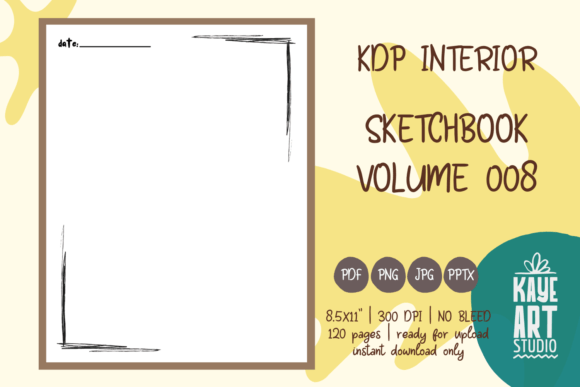
The template's specs are built for seamless Amazon KDP publishing: 8.5x11 inches, no bleed, 300 DPI, and interior pages only. You'll receive PNG, PDF, JPG, and PPTX files already tested on the platform. But what makes Vol. 008 stand out from other notebook interiors is the typography. The header font is a slightly irregular, ink-inspired handwritten font that walks the line between casual creativity and deliberate craft. It carries a few quirks—varying baseline strokes, a hint of bounce, and organic letter connections—that instantly shift the mood from generic stationery to something more personal. For designers, publishers, and brand builders who need their own products to feel authentic, this character matters.
A Font That Feels Like a Real Pen on Paper
Open the PDF preview and you'll notice the letterforms right away. The capital letters have subtle swashes, not overly ornate but enough to feel hand-rendered. Lowercase characters are slightly uneven, as if written with a favorite gel pen on textured paper. This isn't a polished corporate sans serif. It's a display font born for headlines, section titles, and calls-to-action that need approachability without sacrificing readability. The slight roughness in the strokes resembles a quick sketch—fitting, given the sketchbook context.
In the template, the font appears in page numbers, chapter nameplates, and a few thoughtfully placed inspirational words. Its color is a deep charcoal, never harsh black, which softens the visual hierarchy and keeps the eyes focused on the empty pages where the user's own creativity will live. The practical result is a product that feels like a collaboration between the publisher and the end user, not a mass-produced commodity.
Where This Handwritten Personality Shines Beyond the Notebook
Once you understand the typeface's visual DNA, you'll start recognizing where it can elevate real-world projects. The same energy that makes a sketchbook interior feel inviting can transform branding, marketing, and digital content that desperately need a human touch.
Personal and Lifestyle Branding
Small businesses selling handmade goods, art supplies, or coaching services thrive on authenticity. A handwritten font like the one featured in KDP Interior Sketchbook Vol. 008 works beautifully in logo design when softened slightly and paired with a clean sans serif. Think of a boutique stationery shop, a calligrapher's website header, or the tagline on a pottery studio's packaging. The font's organic flow signals warmth and approachability, cutting through the noise of overly polished competitors.
Social Media Graphics That Stop Translation
Scrolled right past another minimalist ad today? Audiences are growing numb to sterile geometric type. For Instagram quotes, Pinterest pins, or TikTok cover images, the sketchbook-inspired letterforms add texture and imperfection. When you overlay a short phrase in this font on a warm background image, the result feels less like an ad and more like a note from a friend. Creators who build communities around honest storytelling—writers, therapists, art educators—will find that this creative font aligns with their message without overselling.
Publishing Products That Stand on Their Own
KDP Interior Sketchbook Vol. 008 is itself proof of concept. Publishers who design journals, notebooks, or planners for Amazon's marketplace can use similar typography across their catalog to build a recognizable series. When a customer sees a thumbnail with that same sketchy lettering, they immediately connect it to the quality they've experienced before. Brand recognition isn't reserved for Fortune 500 companies; a consistent typeface choice across your KDP interiors, from gratitude journals to recipe books, builds trust in a subtle but powerful way.
Packaging and Print Collateral
For crafters selling at local markets or online boutiques, hang tags, thank-you cards, and product labels benefit enormously from a font that feels handmade. Use the sketchbook-style lettering for the main product name, then pair it with a legible sans serif font for details like ingredients or care instructions. The combination keeps things functional while injecting personality. Customers often keep packaging that looks artistic, extending your brand's presence into their homes.
How the Font Shapes Readability and Visual Hierarchy
It's easy to assume expressive typefaces sacrifice function, but in this case the designer clearly prioritized scannability. The letter spacing is generous, avoiding the common pitfall of cramped handwritten fonts where characters collide. Ascenders and descenders are distinct, so words stay crisp even at smaller sizes. In the KDP Interior Sketchbook Vol. 008 template, the font is used at a size that reads effortlessly across a room—useful for a sketchbook that might sit open on a desk.
Visual hierarchy becomes intuitive when the typeface is reserved for primary messages. Because it carries so much visual weight, it naturally pulls the eye to section headers or brand names. When you place a short phrase in this display font above a supportive sans serif subheading, the viewer's journey through the page feels guided, not forced. The contrast between the organic letterforms and a cleaner secondary typeface creates a rhythmic flow that keeps readers engaged.
Brand perception shifts the moment you introduce letterforms with character. A finance startup using a sterile typeface communicates radically different values than a creative studio using something hand-rendered. By adopting a font similar to the one inside Vol. 008 for your logo or tagline, you signal creativity, individuality, and a willingness to deviate from safe corporate templates. In crowded markets, that signals to your ideal audience that you're worth a closer look.
Choosing the Right Font for Your Project: Lessons from Vol. 008
Evaluating a typeface isn't just about aesthetics; it's about function. Here are practical observations drawn from working with the KDP Interior Sketchbook Vol. 008 interior to help you decide when a similar modern typography choice makes sense.
- Start with the project's emotional goal. If you need to appear reliable and institutional, a handwritten font might undermine you. But if you're selling creativity, wellness, education, or art, this style amplifies your message.
- Test at multiple sizes. The sketchbook interior uses the font at roughly 24pt and above for headers. At 12pt body text, it could become fatiguing, so reserve it for accent roles. Readability at small scales isn't its strength, and that's okay—great display fonts know their lane.
- Pair with care. In the template, the secondary information is set in a neutral sans serif that doesn't compete. Try pairing the sketchbook font with open, geometric typefaces like Montserrat or Open Sans; the contrast between organic and structured creates a professional yet dynamic look.
- Verify licensing. The KDP Interior Sketchbook Vol. 008 files are for interior use, and you'll need to make your own covers. If you plan to extract the font for other commercial work, ensure you have the appropriate license for commercial font usage. Many hand-lettered styles require extended licenses for logo design or merchandise.
- Consider longevity. Trendy fonts can date a brand. This particular handwritten style retains a classic sketchbook feel—neither slavishly vintage nor overly trendy—so it's likely to age well if used strategically rather than everywhere.
Real-World Applications That Stretch Creative Muscle
A few pragmatic examples show how the font logic behind KDP Interior Sketchbook Vol. 008 translates into tangible work.
Imagine a designer launching a line of digital art prints for Etsy. The print titles ("Wild Florals," "Sunrise Over the Ridge") set in this sketchy script font immediately suggest something handcrafted. Beneath the title, a brief materials note in a light sans serif keeps the listing informative. The overall impression: an artist who cares about touch and texture.
Or take a blogger building an email newsletter template for creative writing prompts. The header "This Week's Inkwell" in a font that mirrors the Vol. 008 header style establishes a consistent visual cue that readers remember. Over months, that simple type choice becomes synonymous with the writer's voice, building a personal brand without giant logos or intrusive design elements.
For a small business owner creating hang tags for handmade candles, the same font applied to the scent name ("Cedar & Sage") on textured kraft paper feels cohesive, as if the entire brand story lives inside a well-loved notebook. It signals artisanal quality before the customer even lights the candle.
Why the Interior Template Itself Deserves a Second Look
Beyond the typography, the structure of KDP Interior Sketchbook Vol. 008 reveals design thinking worth applying elsewhere. The 120-page interior is clean and uncluttered. There's no bleed, so important content never gets lost in the spine or trimming. The 8.5x11-inch size gives plenty of room for sketching, note-taking, or brainstorming, and the layout allows the font to breathe. The files are tested for KDP, meaning less troubleshooting and more time creating.
Publishers who use this interior often adapt the underlying design philosophy—generous whitespace, a single artistic font, and minimal distractions—to their own products. A recipe journal, a mindfulness diary, or a project planner could all benefit from the same clear hierarchy and human touch.
The PPTX file included in the download is particularly useful for customizers. If you want to tweak the font sizes or add your own section text directly inside PowerPoint before exporting a PDF, you can. That accessibility bridges the gap between template and custom design, which many KDP creators appreciate when fine-tuning their brand lineup.
Making Type Choices That Stick
KDP Interior Sketchbook Vol. 008 doesn't come with a standalone font file, but it embeds a powerful lesson about font pairing and design intent. When you select a typeface for your next project—whether it's a logo design, packaging design, editorial design, or social media graphics—ask yourself if it tells the same story the rest of your work is trying to tell. The pages inside this sketchbook template whisper creativity because the typography doesn't shout; it speaks conversationally, with the slight inconsistency of a human hand.
That authenticity can't be faked by simply distorting a standard typeface. It requires a deliberate choice that values personality over perfection, connection over cold precision. And when you carry that principle into your own brand identity work, you build something that feels less like marketing and more like a genuine creative practice.
Next time you're evaluating design assets, remember that even a notebook interior can teach you how to see type differently. KDP Interior Sketchbook Vol. 008 is a case study in letting imperfect letterforms lead, while everything else steps back to support the voice they create.